
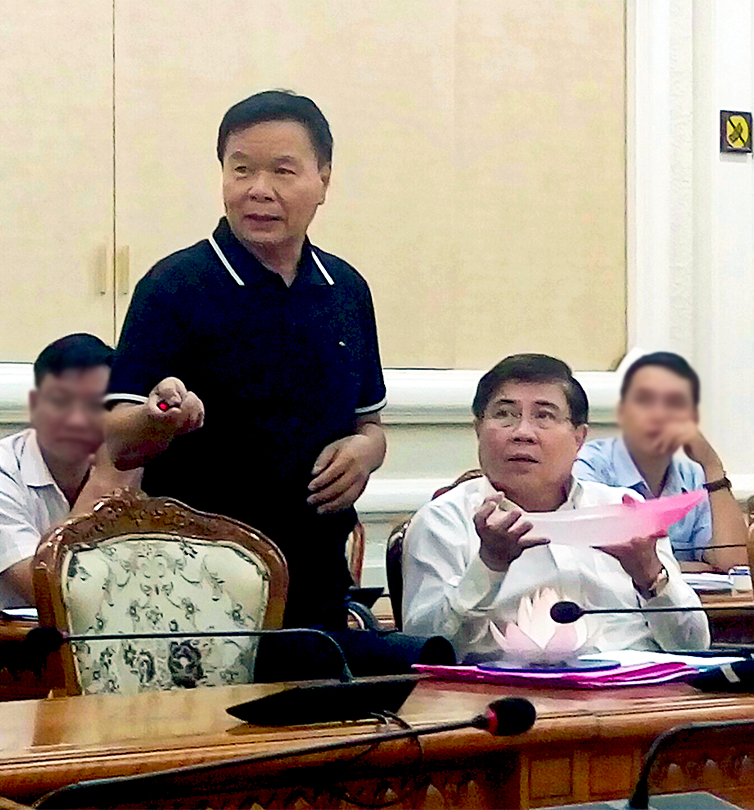
In 2008, I presented a proposal to the leaders of the Ho Chi Minh City People's Committee for a landmark symbol titled "A Lotus to Uncle Ho". It featured a lotus blossom made of glass located at the "Willow Traffic Circle" intersection of Nguyen Hue and Le Loi streets, facing the City People's Committee building.
I chose glass as a material that interacts dynamically with water and light to create a vibrant icon. The city welcomed the proposal and reserved the idea for future consideration when the underground metro station at this location would be constructed.
In 2019, at that exact location, an artistic fountain project was initiated with the vision of becoming a new icon for Ho Chi Minh City. It aimed to convey the city's historical, cultural, and identity values through a public art space closely tied to the daily lives of residents right in the heart of downtown.
The glass lotus sculpture served as the central highlight of the entire project. Although the proposal was approved and moving into implementation, finding a way to transform those glass petals from blueprints into reality remained an unsolved puzzle. One of the attendees from that meeting ten years earlier remembered the "Lotus Pedestal Dedicated to Uncle Ho" proposal, bringing me back to reconnect with the Lotus Pedestal project.
Located in the historic centerat the intersection of Nguyen Hue and Le Loi, in front of the City People's Committee and the Uncle Ho statueevery new proposal had to undergo numerous rounds of review and feedback. Yet, time had virtually run out.
I designed, 3D-printed models, and prepared material samples to present directly to city leaders during a brief 15-minute window squeezed between two meetings. The plan was approved for execution. From that moment, a race against time began to simultaneously finalize the design and organize implementation.
Glass is the most effective material for interacting with water and light to achieve a dazzling radiance both day and night. This doubled value is a magical quality unique to glass, creating a dynamic Lotus Pedestal that captivates and stimulates the visual senses.

The lotus holds a special place in Vietnamese culture, symbolizing vitality, purity, and upward movement. Sen Village is closely tied to Uncle Ho's birthplace, while in the South, the lotus is intimate with the aquatic landscape and riverine lifestyle. For these reasons, right from the 2008 proposal, I chose the lotus for the space in front of the City People's Committee and the Uncle Ho statuea truly special location in the historic core of Ho Chi Minh City.
Glass is the only solid material that actively interacts with light. As the sun moves across the sky, its reflections continuously alter the surface, creating an ongoing interaction with observers. When night falls, internal illumination causes the lotus to glow with a powerful draw, reflecting onto gentle ripples of water to infuse life into an otherwise static sculpture.
As it integrates into daily life, the Lotus Pedestal has become a colorful centerpiece in the heart of the city, present in gatherings, photos, and the festive atmosphere along Nguyen Hue Walking Street. Over time, this familiar image can weave itself into memory and become part of the "shared heritage of the city's residents".
Ten years ago, the lotus blossom existed merely as an idea. Ten years later, it stepped into reality under a different design and under different circumstances, yet connected by an unbroken thread: the imagery of the lotus, glass, light, and the desire to create a landmark capable of living alongside the city's urban space.
And from that point on, the story no longer belonged solely to the designer.
The city began writing the next chapter.
